November 12, 2026
Sustainable lawn care requires an efficient sprinkler system, but even high-quality setups encounter operational challenges over time. Recognizing warning signs early helps prevent property damage and promotes long-term turf health. When performance drops and disrupts your irrigation routine, scheduling a professional sprinkler repair service restores dependable water distribution. Understanding these critical symptoms helps ensure your system operates at peak capacity, protecting your investment and preserving a vibrant landscape.
Recognizing Inconsistent Lawn Water Coverage
Dry patches developing across an established lawn represent one of the clearest signs of an irrigation malfunction. When sprinkler heads clog or break, specific zones miss out on vital moisture while adjacent sections receive excessive water. Over time, grass deprived of adequate hydration wilts and turns brown, compromising the aesthetic appeal of your property. Routine inspections can pinpoint whether dry patches stem from mechanical defects or simple subterranean line obstructions.
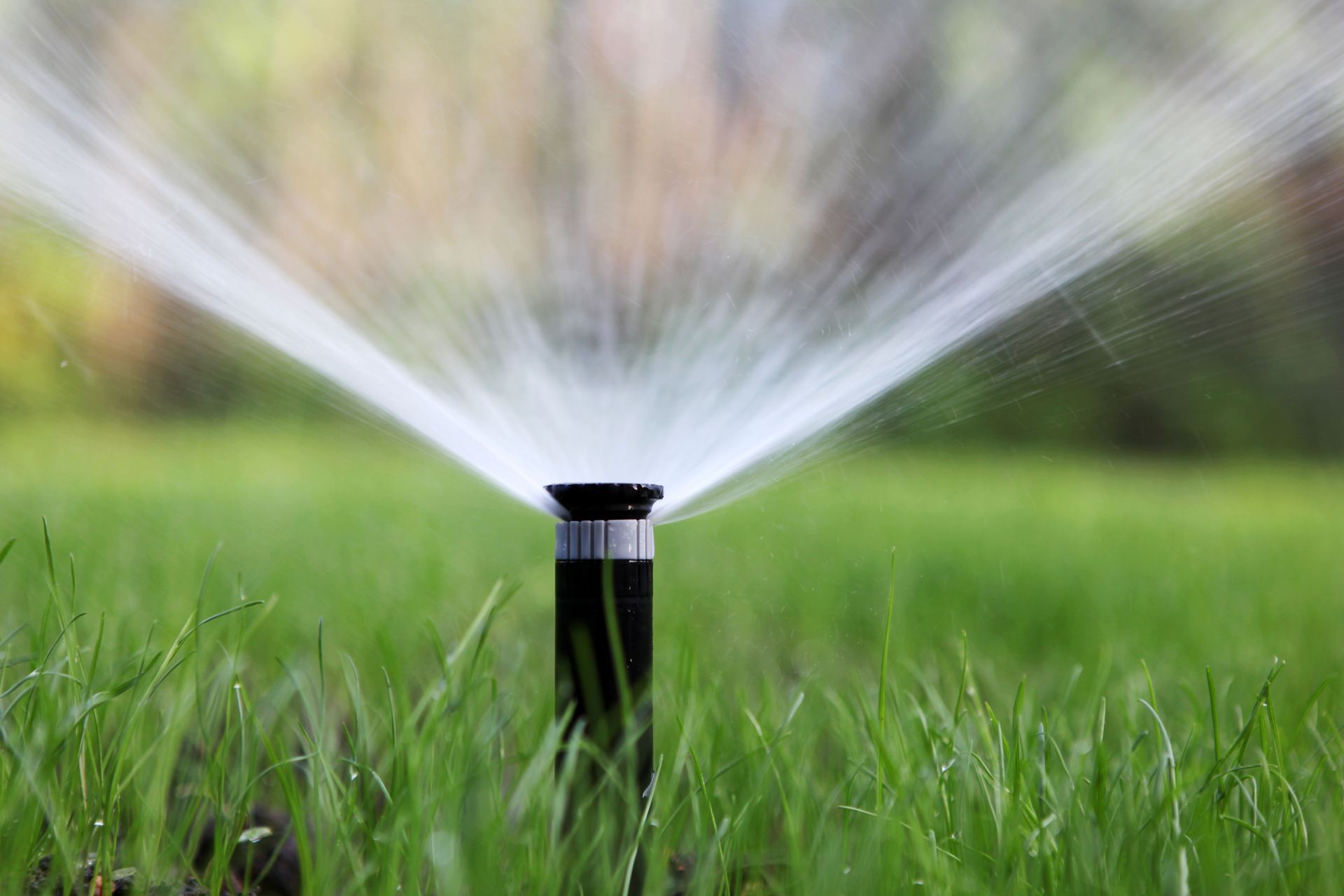
Uneven turf growth and erratic spray patterns also indicate that water is not reaching its intended destination. Misaligned nozzles often shoot water into the air where it turns to mist or drifts away before hitting the soil. Systematic obstructions from accumulated dirt, sand, and debris restrict nozzle rotation, creating patchy spray arcs. Addressing misaligned or clogged heads promptly ensures balanced water delivery across every square foot of turf, preventing localized stress.
Decreased water pressure frequently compounds coverage inconsistencies, leaving peripheral lawn areas completely undernourished. Pressure drops can originate from cracked supply lines, faulty backflow preventers, or compromised pressure regulators in the valve box. When water pressure falls below manufacturer specifications, pop-up spray bodies fail to lift fully, limiting irrigation reach. Professional diagnosis identifies the root hydraulic cause, ensuring full pressure throughout the property.
Managing Erratic Watering Schedules
A dependable landscape irrigation routine relies on predictable, automated timing. When a sprinkler system fails to activate as programmed, underlying electrical glitches, blown fuses, or failed digital controllers are usually to blame. Conversely, zones that run continuously or activate at inappropriate hours can drown delicate root zones and lead to excessive utility bills. Troubleshooting controller wiring and electrical relays promptly restores reliable timing and keeps your lawn on a healthy watering cadence.
Overwatering specific landscape zones while other areas remain completely dry points toward stuck solenoid valves or improper zoning design. Solenoid valves contain small diaphragms that can stick open if sand or mineral scale enters the valve assembly, causing continuous flow after cycles end. Reconfiguring zone runtimes and rebuilding malfunctioning valves balances hydration levels, preventing saturated soil conditions that encourage fungal infections and weed growth.
Frequent manual resets and malfunctioning weather sensors further compromise automated operations. If your controller repeatedly loses its settings, an internal battery failure or power surge may have disrupted the system board. Rain sensors should automatically bypass scheduled cycles during storms, but uncalibrated sensors allow irrigation to run needlessly in heavy rainfall. Calling an expert sprinkler repair service ensures your timers, sensors, and automated controllers receive exact recalibration for autonomous, reliable operation.
Detecting Visible Equipment Wear and Tear
Regular exposure to harsh weather, lawn mowers, and foot traffic degrades irrigation equipment over time. Cracked or sheared sprinkler heads represent common mechanical failures that disrupt spray geometry and waste high volumes of water. When lawn equipment clips an extended pop-up head, the fractured riser allows water to gush uncontrollably, flooding adjacent sod while starving downstream heads. Replacing damaged components promptly preserves hydraulic pressure across the entire line.
Leaky valves and corroded fittings also undermine system integrity and inflate monthly water bills unnecessarily. Valve seals naturally degrade after years of cycling on and off under high household pressure, resulting in persistent weeping and muddy valve boxes. According to the US EPA, up to 50% of outdoor irrigation water is lost to wind, evaporation, or runoff. Routine seasonal evaluations identify hairline cracks, degraded rubber seals, and rusty fasteners before component wear escalates into catastrophic failure.
System age remains an overarching factor in overall equipment reliability and water efficiency. Older systems manufactured more than a decade ago frequently lack modern water-saving technologies, such as pressure-regulating stems and matched precipitation nozzles. Loose pipe joints, brittle lines, and corroded electrical connections become increasingly common as systems age. Upgrading worn components with durable equipment significantly enhances performance, minimizes maintenance headaches, and extends the operational life of your landscape.
Monitoring Unusually High Water Bills
An unexpected spike in your monthly utility statement is frequently the primary sign of an irrigation problem. Subterranean pipe leaks often go unnoticed for weeks, quietly discharging thousands of gallons beneath topsoil and root systems. These fractures typically stem from shifting ground, invasive tree roots, or freeze damage sustained during previous cold seasons. Monitoring water meter readings when indoor fixtures are idle helps confirm whether an underground leak is continuously consuming municipal water.
Excessive runoff and inefficient water usage also drive monthly costs upward without benefiting landscape health. When irrigation systems deliver moisture faster than local soil can absorb, excess water runs off into gutters, storm drains, and streets. Mismatched nozzle sizes and improper zone programming frequently cause severe overspray and saturation. Adjusting zone cycle times to incorporate split watering intervals allows dense soil to absorb moisture naturally, reducing wasteful runoff and lowering utility expenses.
Broken lateral pipes and stuck valves represent serious mechanical culprits behind high bills. When a lateral line ruptures, high water volume escapes each time that zone fires, often creating spongy depressions. Partnering with a dedicated sprinkler repair service provides the diagnostic technology needed to locate hidden subterranean fractures quickly. Professional repairs restore optimal operating efficiency, prevent costly structural erosion, and protect your budget from recurring utility spikes.
Addressing Pooling Water and Drainage Problems
Standing water on lawn surfaces or persistent puddles around sprinkler heads indicate serious application and drainage imbalances. Puddling typically occurs when spray heads fail to retract fully, allowing low-head drainage to empty line contents onto low-lying grass after system shutdown. When soil remains chronically saturated, delicate turfgrass roots become deprived of necessary oxygen, preventing root rot diseases and soil compaction. Addressing pooling water promptly restores soil aeration and preserves the vitality of your turf.
Overspray onto sidewalks, driveways, and building foundations presents another frequent drainage hazard. Misaligned nozzles direct powerful streams against masonry, concrete, and siding, leading to water staining, structural erosion, and slippery algae growth. Adjusting spray radii, replacing worn wiper seals, and realigning nozzle trajectories keeps moisture focused solely on organic landscape beds. Proper directional calibration eliminates runoff while maximizing irrigation effectiveness across every zone.
Hydraulic imbalances often manifest through unusual noises within the plumbing network, such as hissing, humming, or violent banging sounds known as water hammer. These noises indicate pressure surges that strain fittings, crack joints, and accelerate component failure throughout the entire assembly. Contacting a reliable sprinkler repair service helps resolve grading challenges, install water hammer arrestors, and adjust line pressures to safe operating levels. Expert intervention ensures quiet, seamless system operation while protecting your surrounding hardscape from water damage.
Detecting and addressing irrigation system complications early preserves landscape health, reduces utility expenses, and conserves vital water resources. From inconsistent coverage and erratic controller timing to cracked sprinkler heads and hidden subterranean pipe fractures, staying proactive prevents small maintenance issues from turning into expensive property restorations. Engaging a professional sprinkler repair service ensures accurate diagnosis, reliable component upgrades, and optimized seasonal performance for a vibrant outdoor environment. For more information about the services that we offer, reach out to our incredible team at Becmar Sprinkler Systems today!